Culture · 06 min
Ghana · Creative language
Start in Accra. Follow the colour.
Meet Ghanaian makers translating weaving, form and inherited knowledge into contemporary design, fashion and independent business.
Start exploring →Why AfriHalo exists
Closer stories.
Stronger belonging.
Our mission
AfriHalo brings people, ideas and opportunities from Ghana, Nigeria, Kenya and South Africa into clearer view — with context, curiosity and accountable sources.
Our objective
To help readers discover people worth knowing, work worth supporting and connections worth making, while building an independent platform that can earn responsibly without selling editorial trust.
Belonging is not nostalgia.
It is the right to be visible in the present, connected to memory and able to shape the future.Four historical markers · not a complete history
195701
GhanaIndependence became an invitation to imagine freely.
Ghana’s independence opened a new political chapter and helped give language to self-determination beyond its borders. Belonging here is also the freedom to define the future.
196002
NigeriaOne country, many peoples, an unfinished conversation.
Nigeria’s independence joined immense cultural, linguistic and regional diversity within a shared national project. Belonging is plural — never a single voice or centre.
196303
KenyaLand, memory and self-determination remain connected.
Kenya’s independence followed a long anti-colonial struggle. Its history reminds us that belonging is shaped by place, memory and the right to participate in what comes next.
199404
South AfricaDemocracy widened the promise of equal citizenship.
South Africa’s first democratic election transformed political belonging. The promise remains active and unfinished wherever opportunity, dignity and voice are still unequal.
These dates mark constitutional turning points, not the beginning of each country’s history. AfriHalo treats history as lived memory: complex, contested and best told through many voices.
Real places · Open questions
A journey through
what is changing.
Landscapes and infrastructure are never neutral backdrops. Each chapter connects a real image to the people, systems and evidence needed to understand it.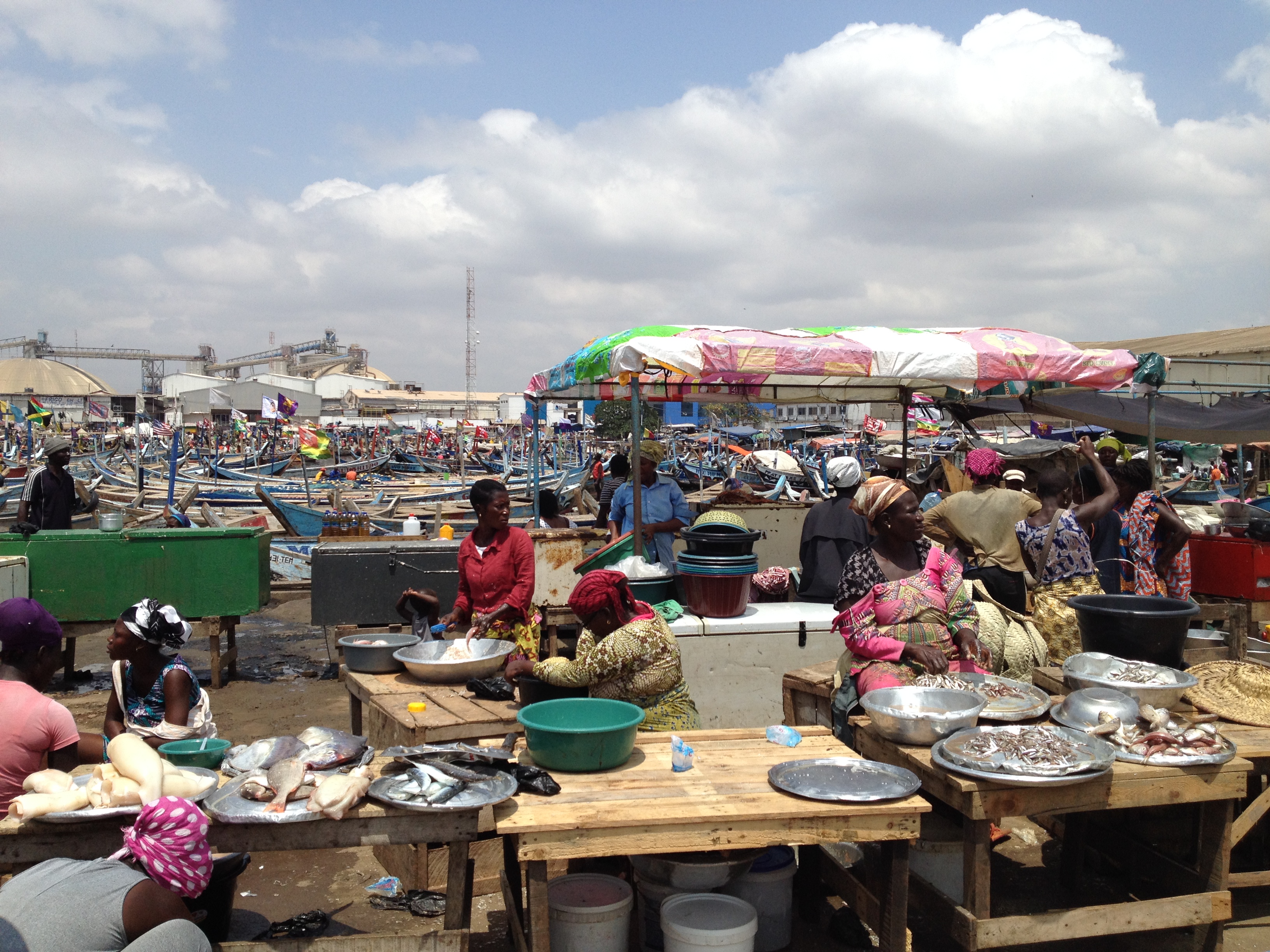
Ghana · Tema
Local economy · Coast
The harbour economy begins with people at work.
Market sellers at Tema show how coastal infrastructure, food systems and everyday enterprise meet. AfriHalo follows the human economy around major assets — not only the value of the asset itself.What infrastructure would make this work safer and more valuable?Share a local perspective →
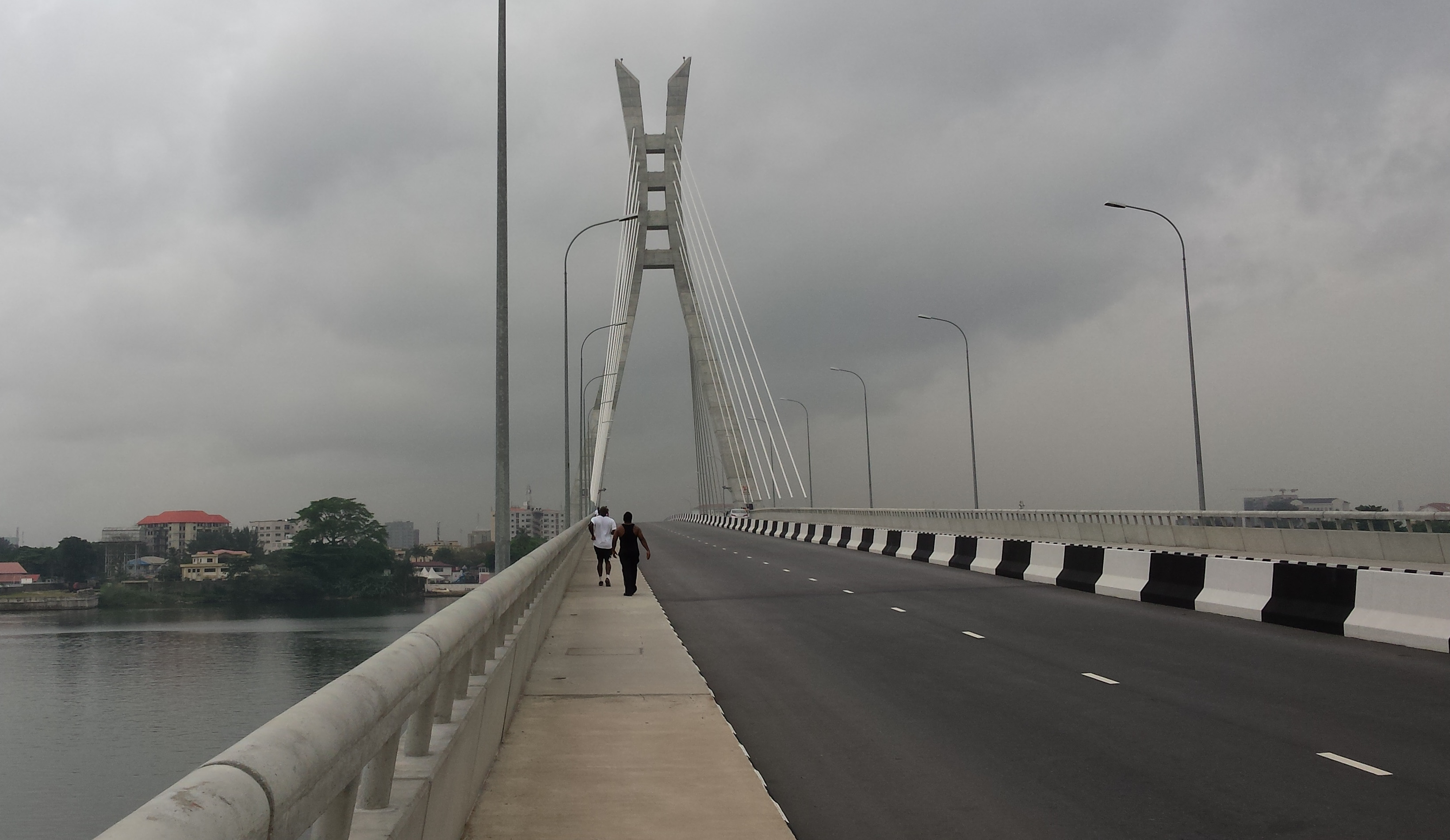
Nigeria · Lagos
Public infrastructure · Mobility
A bridge changes more than a journey time.
The Lekki–Ikoyi Link Bridge is a visible piece of Lagos infrastructure. The fuller story includes access, transport choices, maintenance, public value and the neighbourhoods connected — or placed under new pressure.Who gains time, access and opportunity?Share a local perspective →
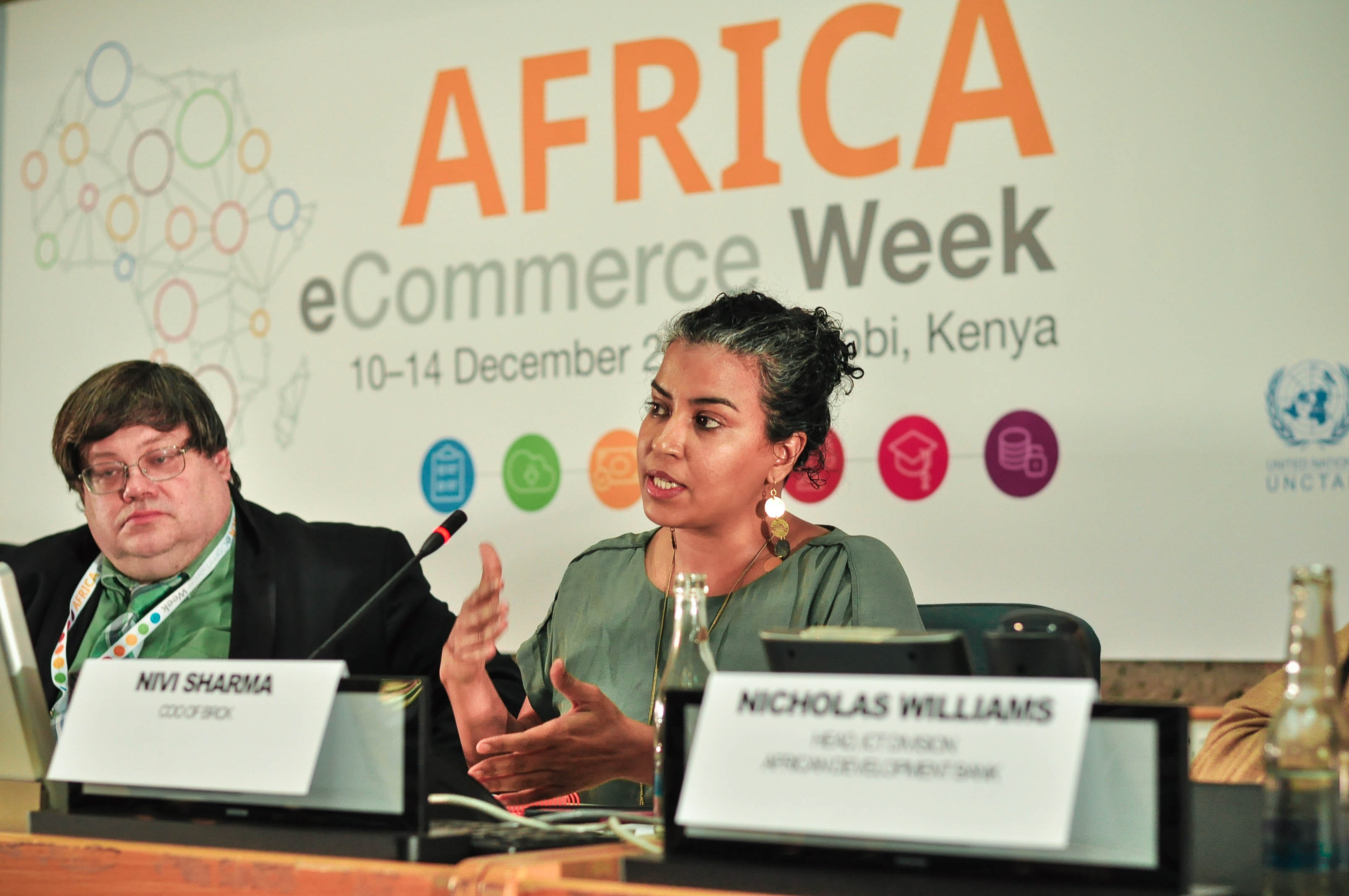
Kenya · Nairobi
Technology · Digital economy
Technology becomes real when capability spreads.
A regional e-commerce gathering in Nairobi places people inside the digital-economy story. Investment potential depends on skills, affordable access, useful infrastructure and businesses able to serve local realities.Can digital growth create durable local value?Share a local perspective →
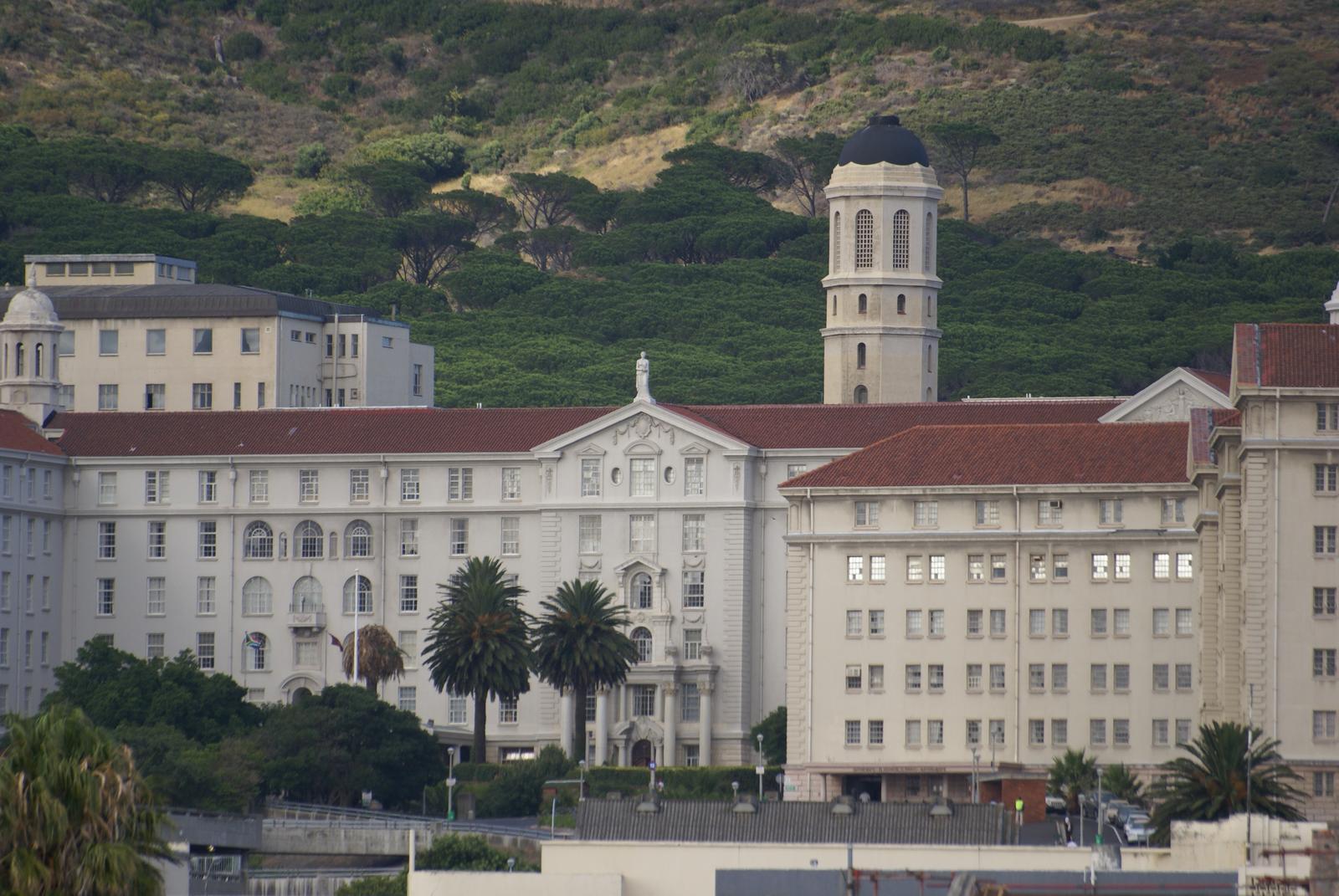
South Africa · Cape Town
Public health · Institutions
Health infrastructure is a building and a public promise.
Groote Schuur Hospital carries medical history, but AfriHalo’s focus is the present: staff, access, maintenance, research capacity and the experience of people who depend on public care.What does reliable care look like from the patient’s side?Share a local perspective →
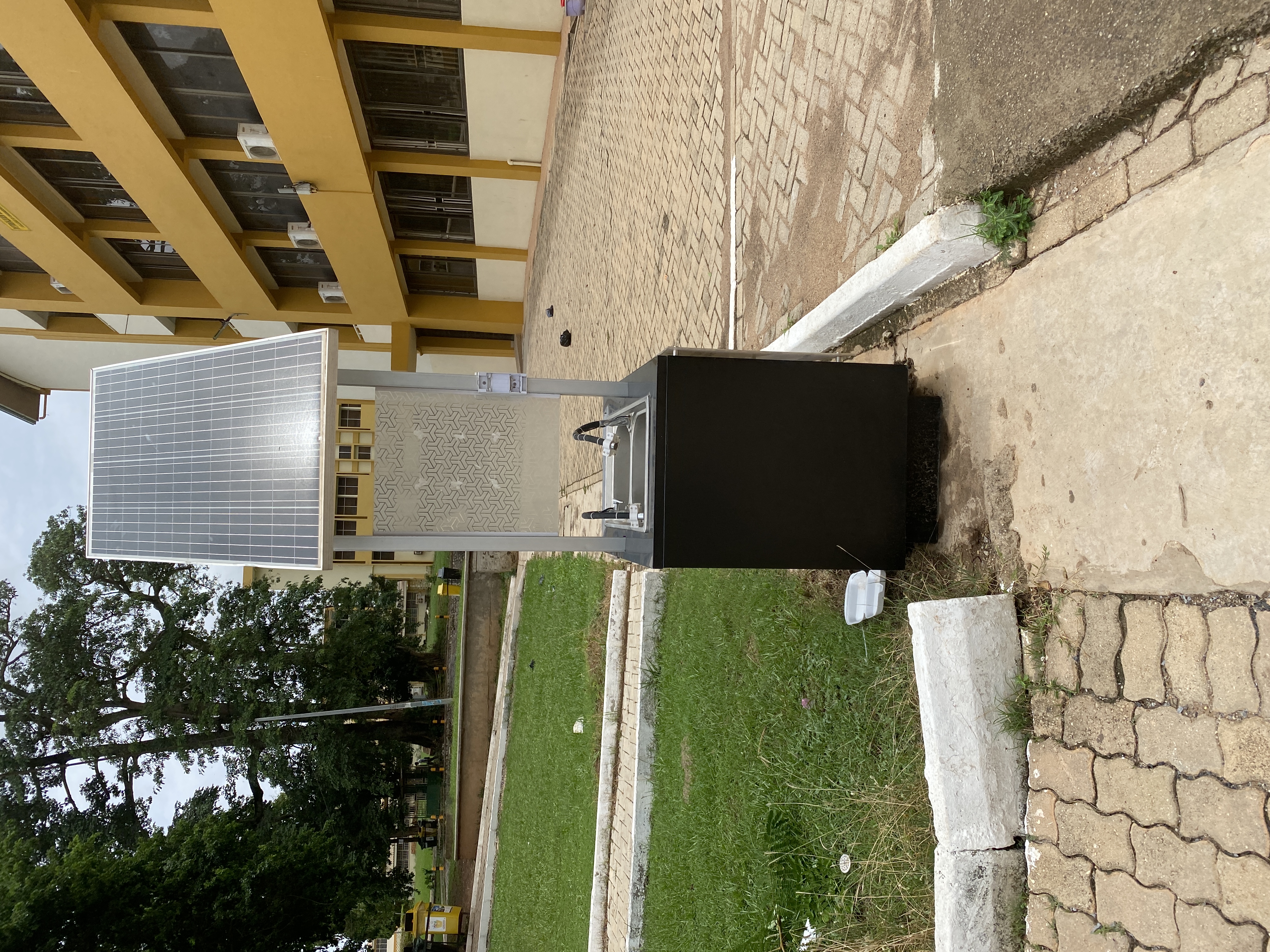
Ghana · Kumasi
Applied technology · Public wellbeing
Small systems can reveal large potential.
A solar-powered handwashing station at KNUST connects engineering, health and practical design. The important questions are whether solutions are maintained, affordable and useful beyond a demonstration.Can a prototype become dependable public infrastructure?Share a local perspective →
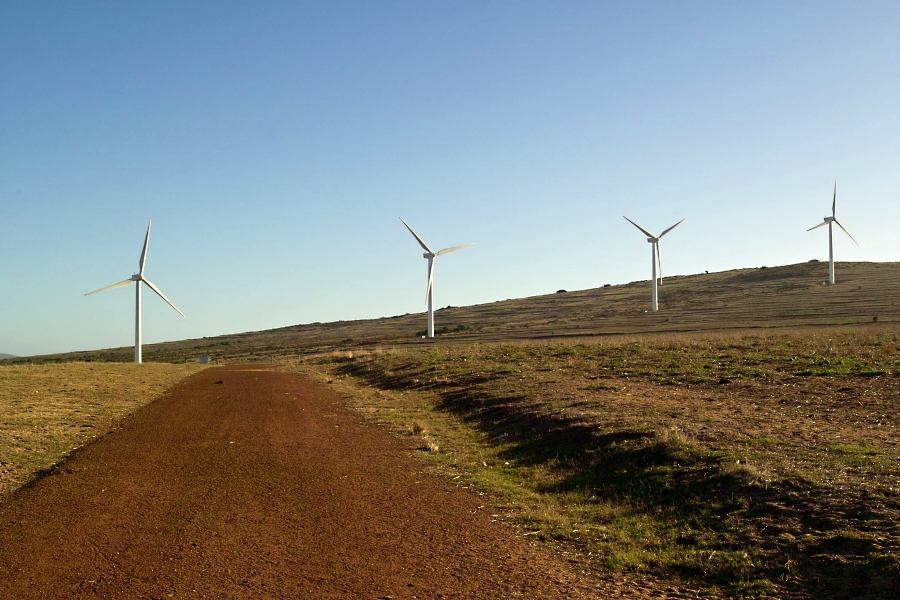
South Africa · Western Cape
Investment · Renewable energy
Potential becomes progress only through delivery.
Wind turbines near Darling make the energy transition visible on the landscape. AfriHalo separates projected investment from completed capacity and asks how jobs, land, grids and communities share the outcome.How much value remains in the territory?Share a local perspective →
Travel with context
Go for the view.
Stay for the story.
AfriHalo tourism principle
Promote curiosity without extracting value from place. Verify practical information, favour local operators and disclose every sponsored or affiliate relationship.
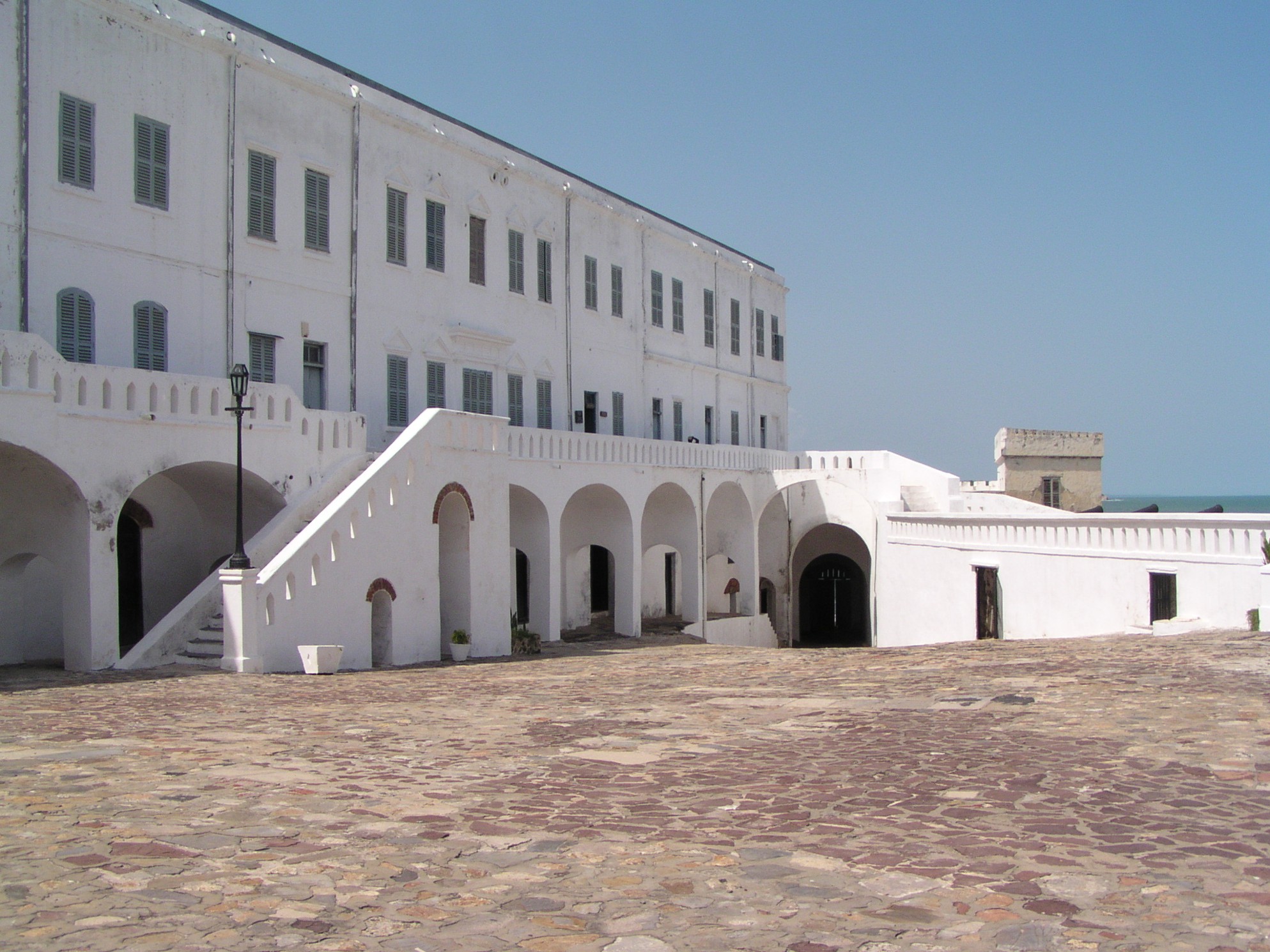
Ghana · Cape Coast
Atlantic coast · Heritage · Local guides
Travel through memory, coast and living culture.
Cape Coast invites a journey that connects the Atlantic landscape with difficult history and contemporary life. AfriHalo encourages time with accredited local guides, community businesses and the wider Central Region — not a single photo stop.
Official travel information · Visit Ghana ↗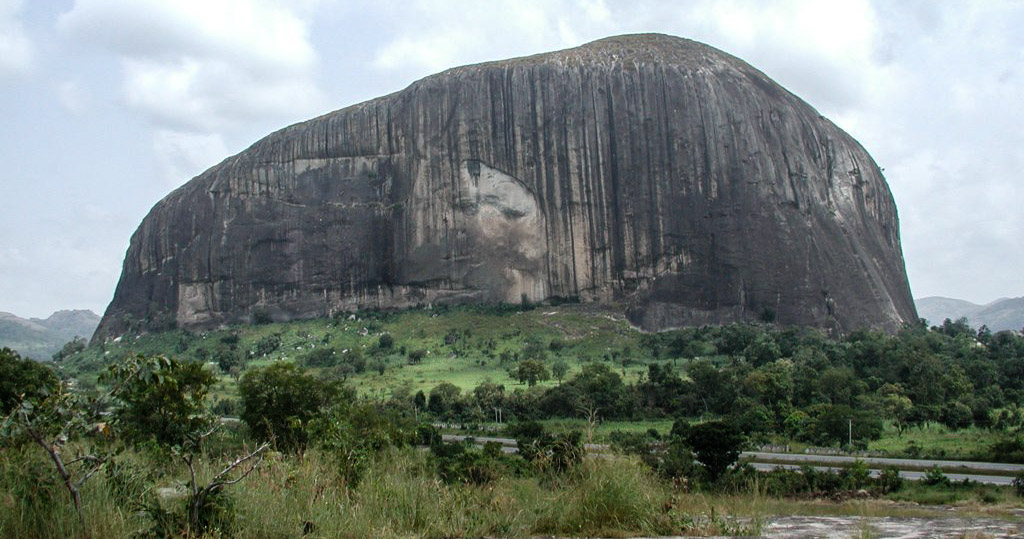
Nigeria · Niger State
Landscape · Road journey · Cultural context
Zuma Rock changes the scale of the journey.
The formation near Abuja and Suleja is one entry into Nigeria’s immense geographic variety. A thoughtful visit considers transport, local knowledge, safety guidance and what other places and businesses can benefit from the route.
Official travel information · Nigeria Tourism Development Authority ↗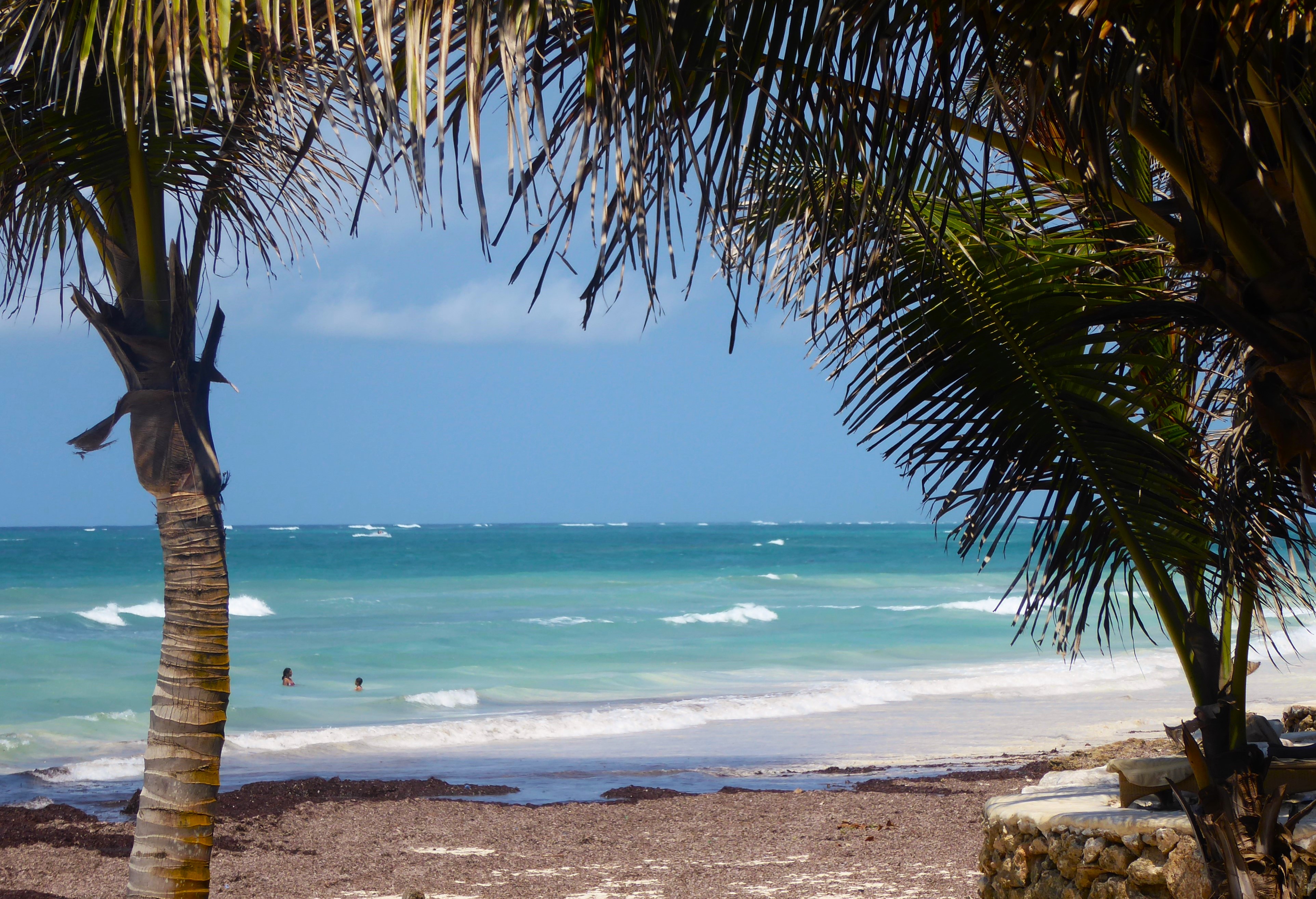
Kenya · Diani
Indian Ocean · Nature · Coastal economy
The coast is more than a resort view.
Diani’s beach is part of a living coastal economy shaped by hospitality, marine ecosystems, transport and local enterprise. AfriHalo will favour experiences that disclose environmental practice and create visible value beyond the booking platform.
Official travel information · Magical Kenya ↗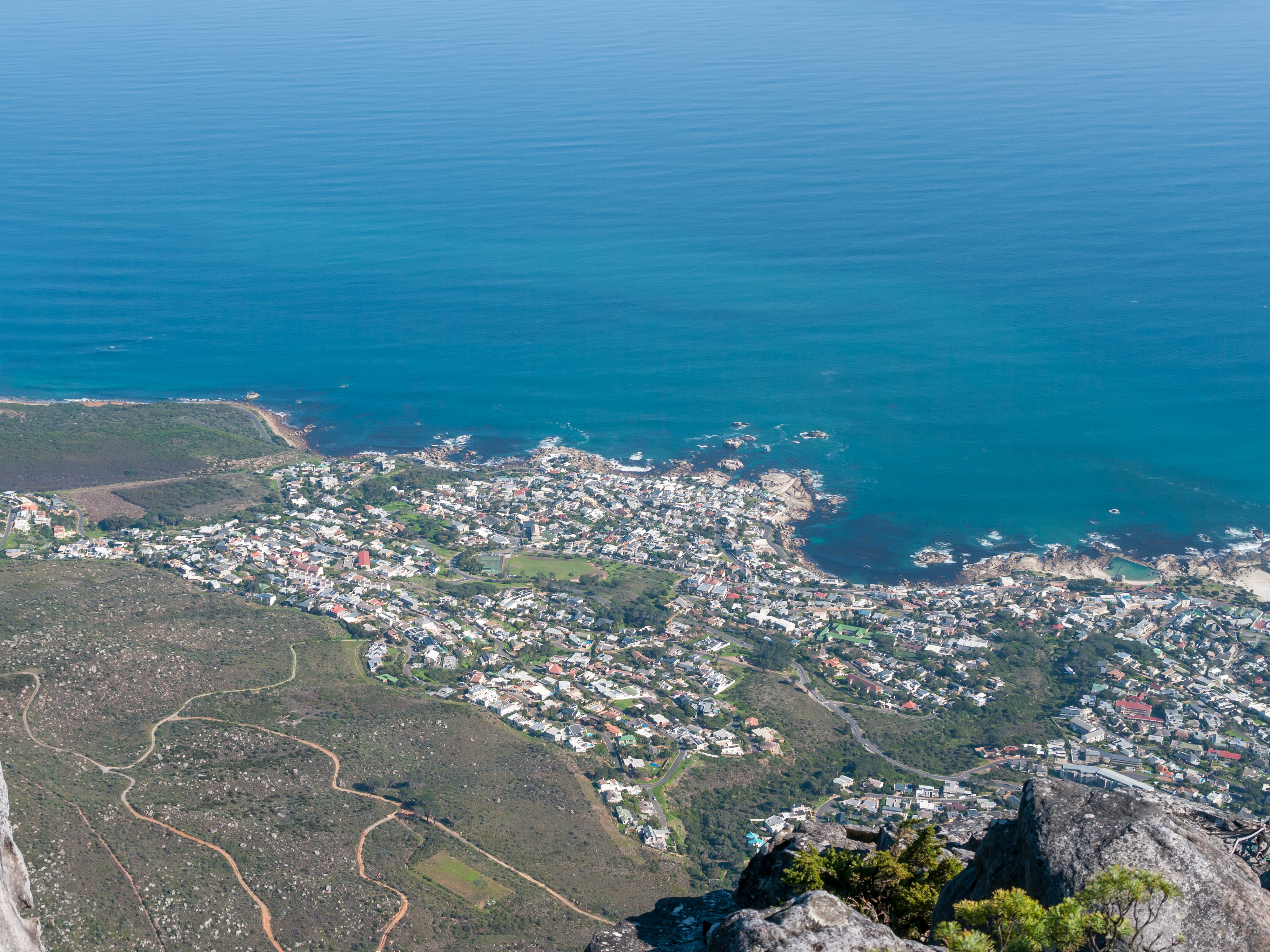
South Africa · Cape Town
Ocean · City · Mountain landscape
One landscape, many ways to enter the city.
Camps Bay and Table Mountain create an extraordinary first view. The fuller trip reaches neighbourhood culture, independent food and design, public history and nature experiences with clear conservation and community standards.
Official travel information · South African Tourism ↗Choose your starting point
Where are you curious about today?
Pick a country. AfriHalo will show you the most useful route without pretending one place represents the others.Colour, craft and independent enterprise
Start with Ghana →Three ways into the story
Follow what moves you.
Begin with an object, a person or an idea — then follow the connections across place, history and possibility.Follow a material
Trace clay, fibre, metal and colour from local knowledge to contemporary design.
Enter AfriHalo Made →Meet the people
Discover makers, researchers and community leaders through the choices behind their work.
Read their stories →See the bigger system
Connect a local project to the policies, markets and ideas shaping its next chapter.
Open the country radar →Editorial source radar
Signals collected.
People decide.
AfriHalo monitors official sources for potential updates. Automation may identify a lead, but publication requires source, context, rights and human review.People before platforms
Meet the people
making the story.
Every profile begins with a person’s work, choices and context. Launch visuals are editorial illustrations; named documentary profiles will use consented photography and direct testimony.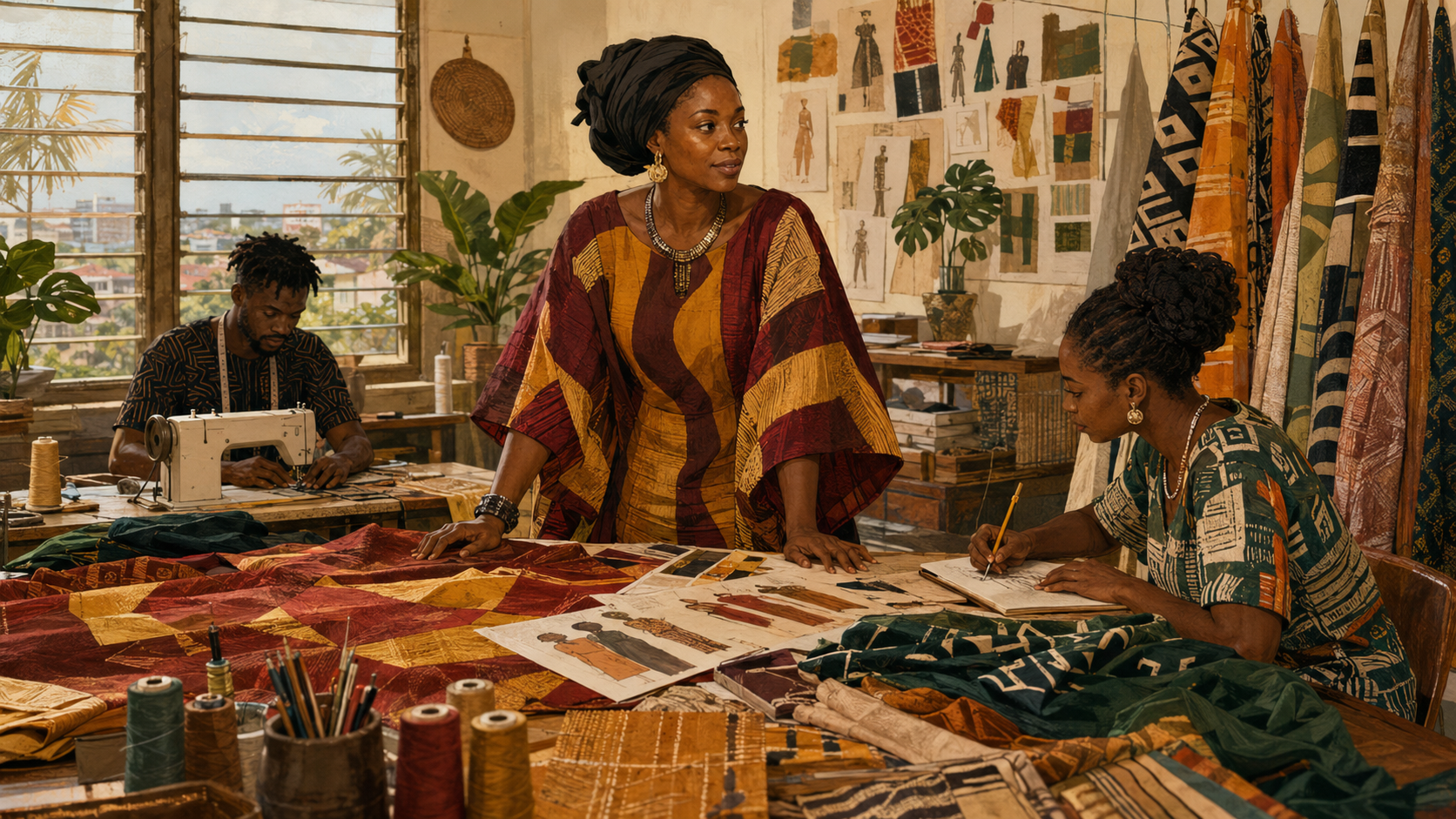
Ghana · Accra
The maker sets the direction
Textile, colour and independent businessHow inherited techniques become contemporary products — and how more value can stay with the people creating them.
Suggest a person to profile →
Nigeria · Lagos
Building for real scale
Technology, teams and useful productsBuilders designing around complex markets and millions of different users, without losing sight of the person behind the metric.
Suggest a person to profile →
Kenya · Nairobi
Knowledge travels through people
Community technology and practical learningTrainers and learners turning digital skills into local capability, collaboration and realistic routes into work.
Suggest a person to profile →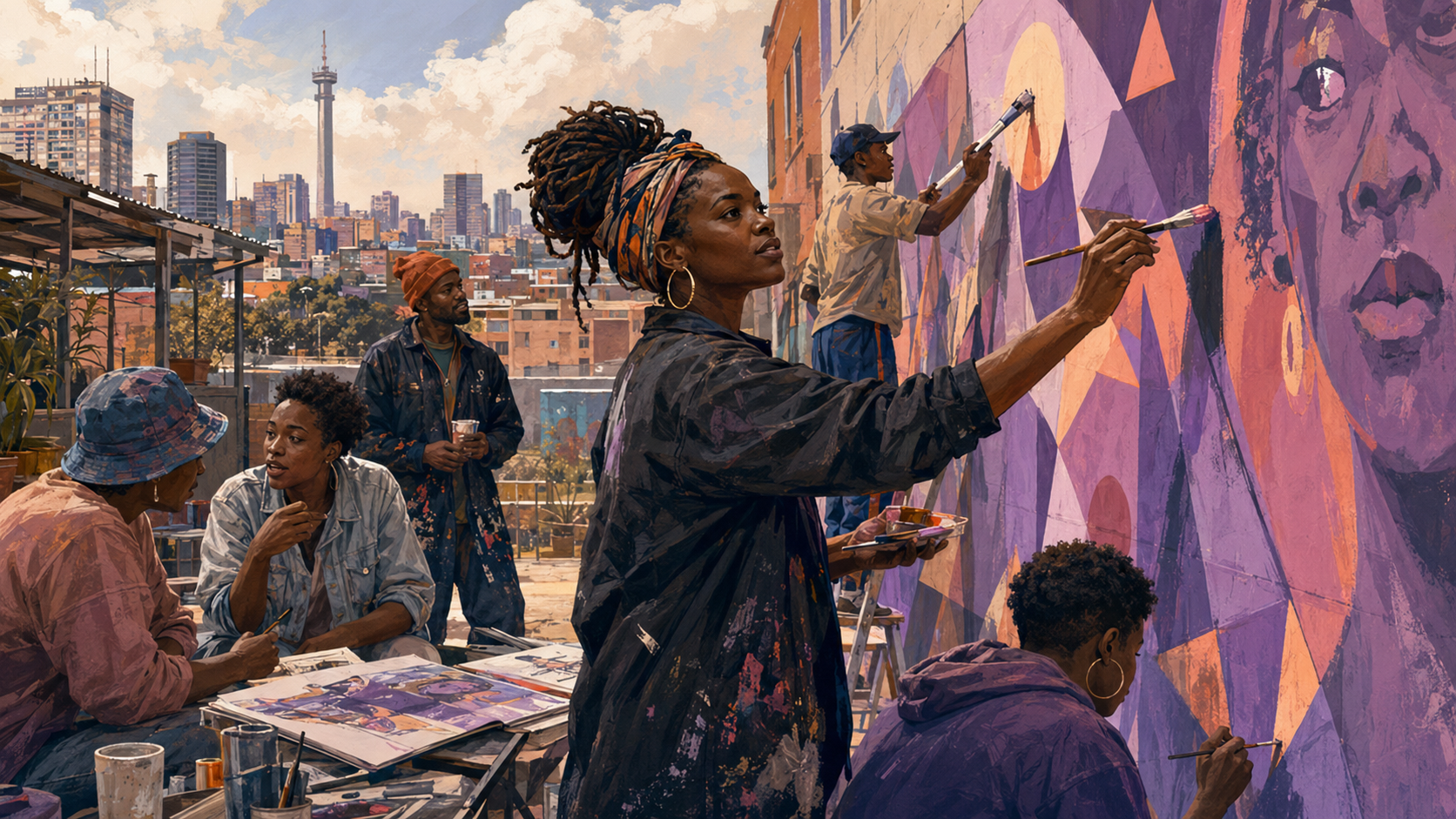
South Africa · Johannesburg
A city told by its creators
Art, public space and urban memoryArtists and organisers read the city from street level, where culture, enterprise and inequality are never separate stories.
Suggest a person to profile →What has been left outside the frame
See more.
Feel closer.
Stories selected for their ability to reveal, connect and inspire — never to reduce a country to a single image.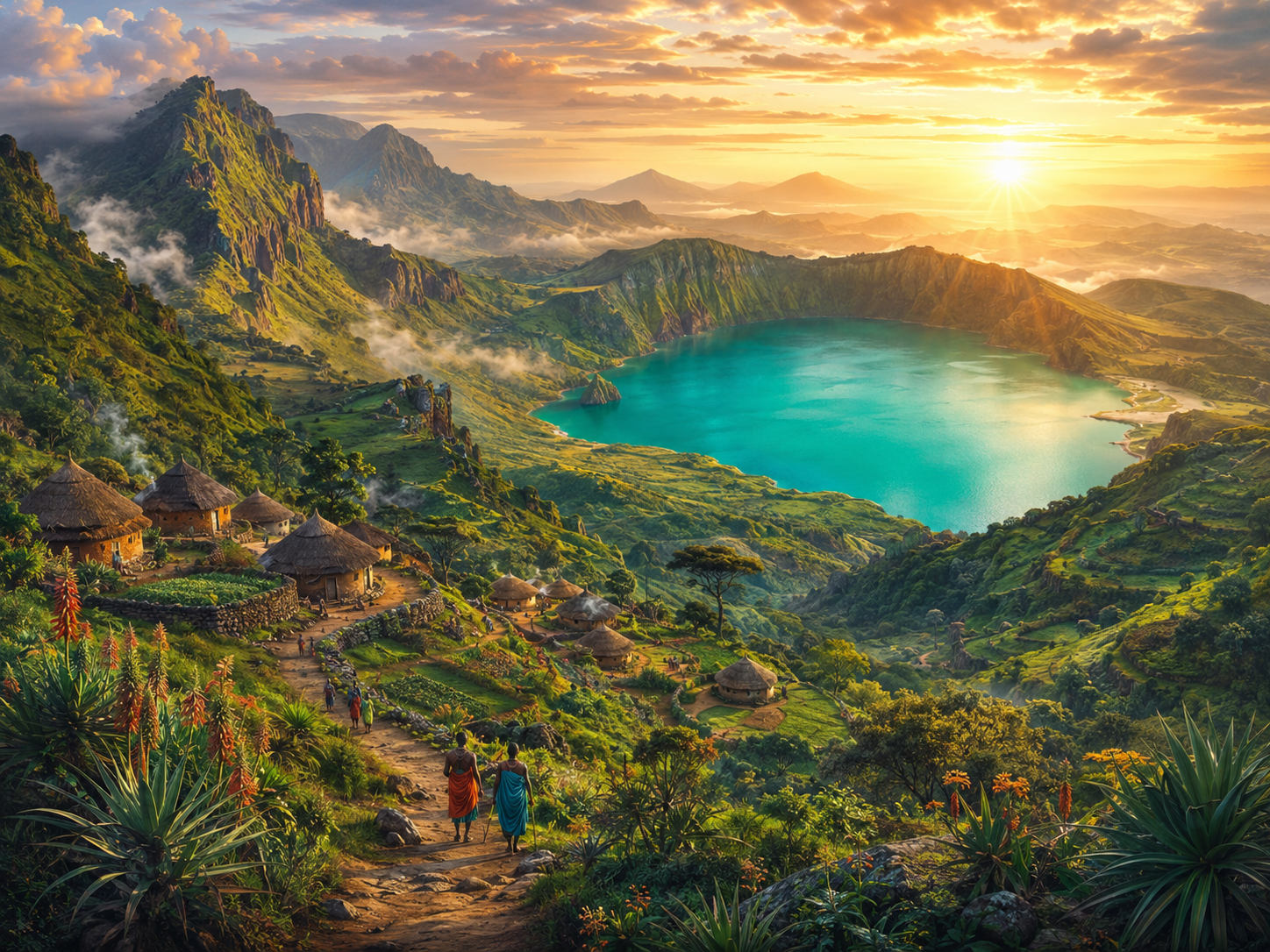 01Illustration
Ghana · Coastal futures
Accra’s edge is a living laboratory
Design, climate and everyday enterprise meet along a coastline under pressure.Discover story ↗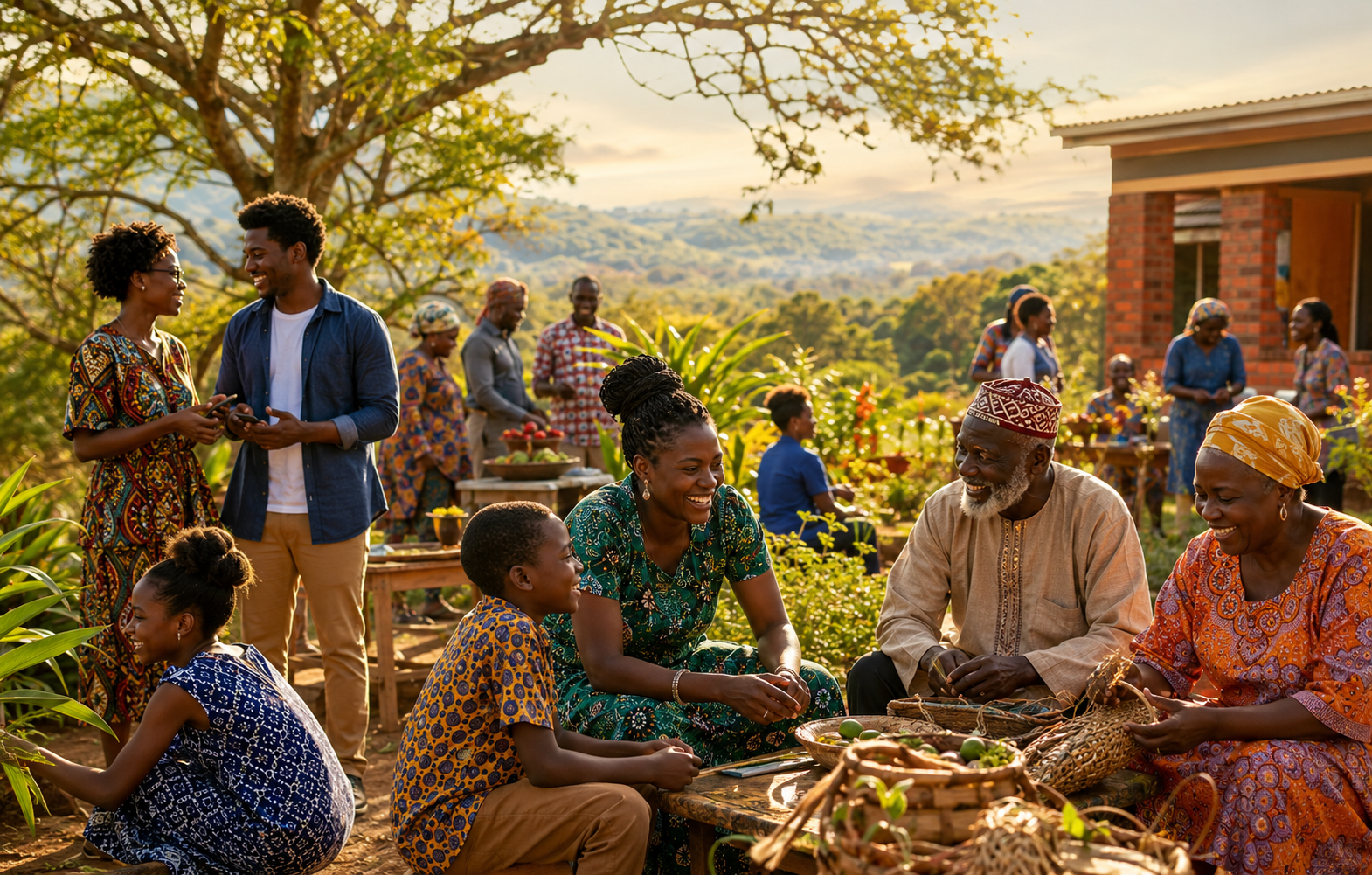 02Illustration
Nigeria · Creative industries
The business behind the cultural pulse
Follow the teams turning fashion, film and technology into sustainable work.Discover story ↗ 03Illustration
Kenya · Community technology
Useful systems begin close to home
Meet projects that connect digital tools to practical local needs.Discover story ↗04IllustrationSouth Africa · Urban nature
A city can repair its relationship with land
Neighbourhood action, research and public space reveal another urban future.Discover story ↗01
Design
Accra’s makers turn colour into a global language
Ghana · 7 min02
Ideas
Nigeria’s technical talent pipeline meets the real job market
Nigeria · 9 min03
People
The Kenyan studios making collaboration their advantage
Kenya · 7 min04
Culture
Johannesburg’s creative economy refuses one centre
South Africa · 8 minOur mission
“To follow Ghana, Nigeria, Kenya and South Africa closely — through stories with local context, useful connections and accountable sources.”
Human-reviewedSource-transparentAfrican voices first
Community prototypeThe examples below demonstrate the future experience. Public posting and personal-data collection are not active yet.
AfriHalo Community
Not an audience.
A living network.
Suggest a hidden place, share a local project or tell a story from your country. The strongest contributions can become verified AfriHalo features.
KO
Kwame O.
Accra, Ghana“Follow the people behind the object — that is where Ghana’s design story becomes interesting.”
NA
Ngozi A.
Lagos, Nigeria“Scale matters, but so do the small teams quietly building useful things every day.”
AM
Amina M.
Nairobi, Kenya“Show our creative neighbourhoods and working studios, not only the familiar travel route.”
LN
Lindiwe N.
Johannesburg, South Africa“Our cities are complicated, inventive and alive. The contradictions belong in the story.”